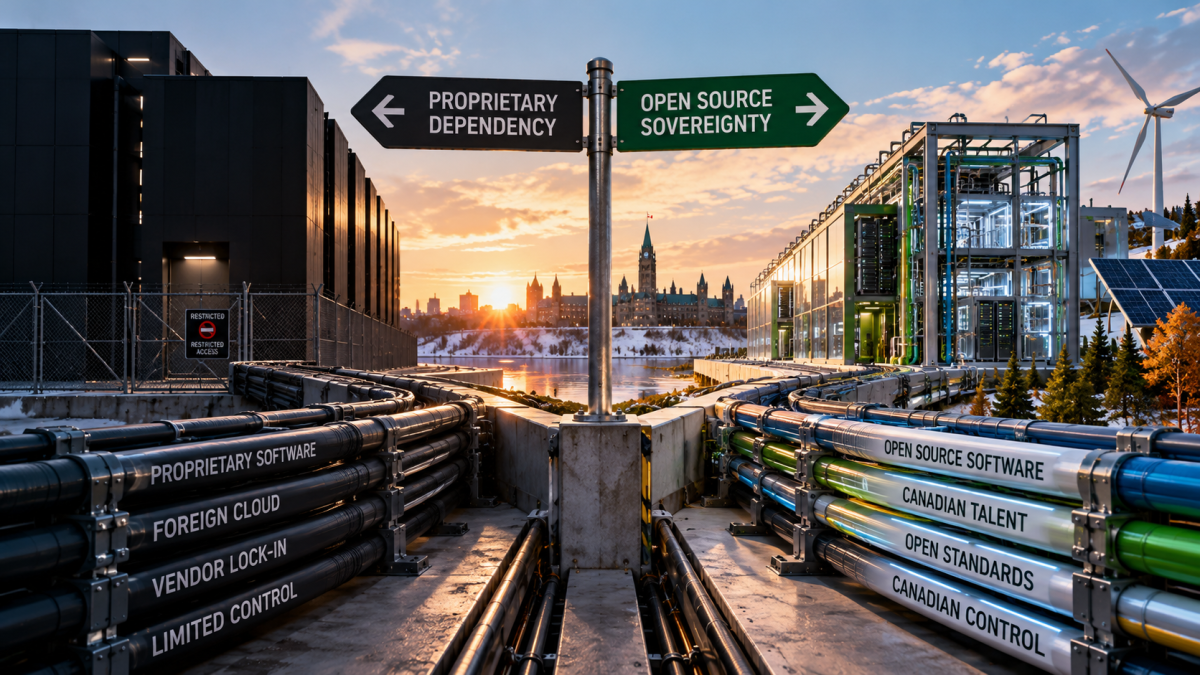
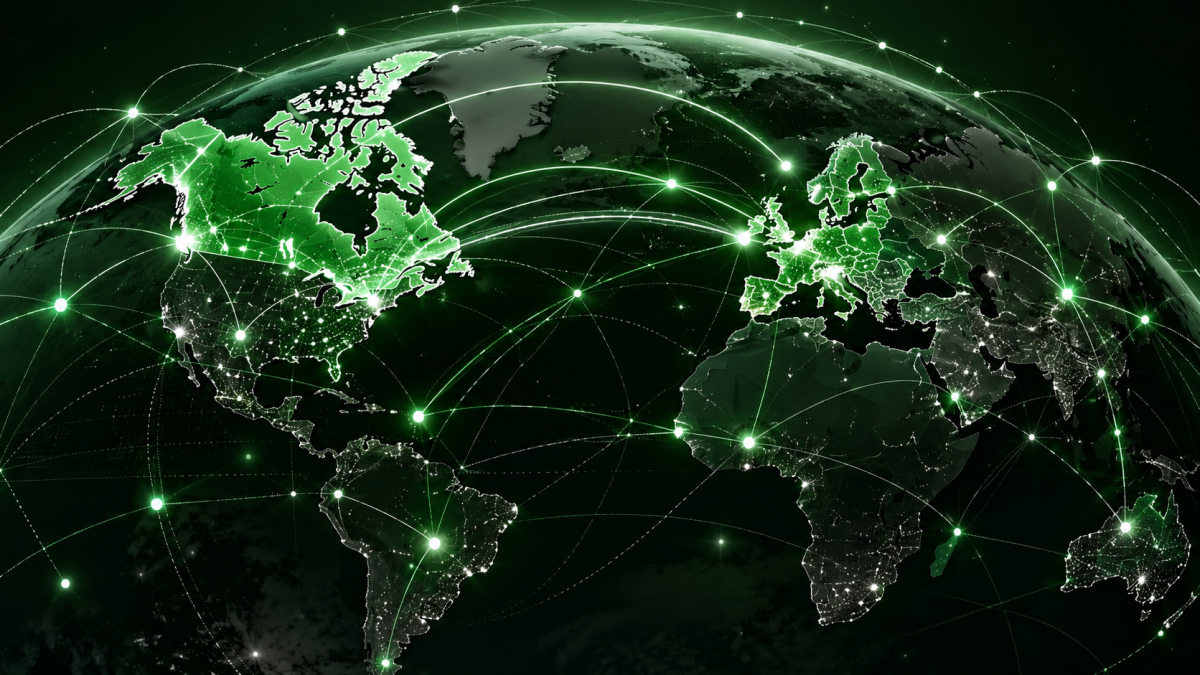
Digital Sovereignty: What Happens When Someone Else Controls the Switch?
By Andre Duttmann
We discuss where our data is stored, who owns our cloud infrastructure, and how much we depend on foreign technology companies. These are important conversations, and they are becoming increasingly relevant.
But recent developments have brought another aspect of digital sovereignty into focus.
What happens when the technology we depend on is no longer available to us?
Not because our computers stopped working. Not because we suffered a cyberattack. But simply because a decision was made somewhere else that changed how we could use that technology.
This is no longer just a hypothetical question.
When Software Suddenly Becomes Limited
In July 2026, Microsoft introduced changes affecting certain versions of Microsoft Office running on older Apple devices.
Users who could not update their software to supported versions found that applications such as Word, Excel, and PowerPoint could enter what Microsoft calls reduced functionality mode.
They could still open and view their documents, but editing, saving, and creating new…