




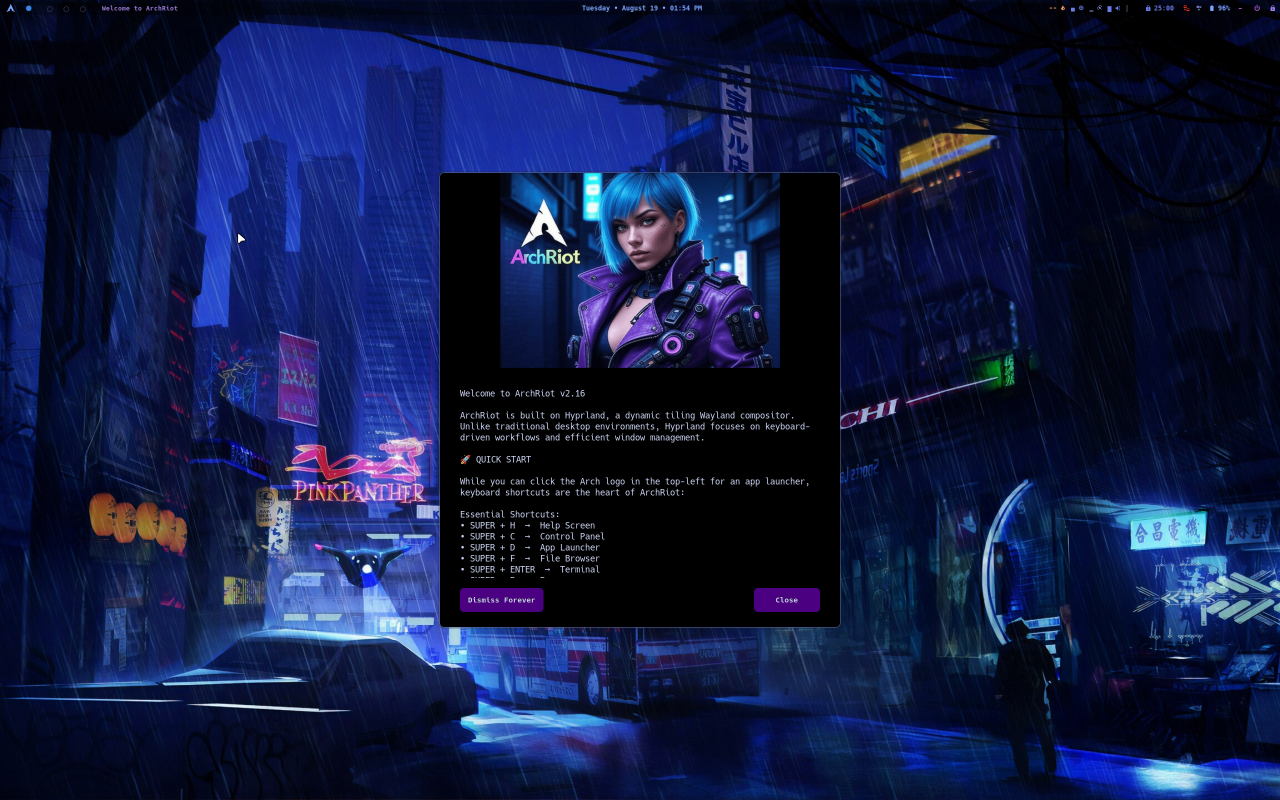
Archriot is a project developing various tools that combine the Arch Linux distribution with the Hyprland tiling window manager into an Archriot operating system. Its features include a Go binary installer with atomic op…
Archriot is a project developing various tools that combine the Arch Linux distribution with the Hyprland tiling window manager into an Archriot operating system. Its features include a Go binary installer with atomic operations and instant rollbacks, privacy (with no telemetry tracking or corporate data harvesting), carefully crafted dark themes, and modern development tools and environments, such as Fish shell, Zed editor and Neovim. Archriot provides a small-sized ISO image with an automated installer program that downloads and installs all the necessary components of the distribution. It can also convert an installed Arch Linux-based system into Archriot with the help of an installation script.

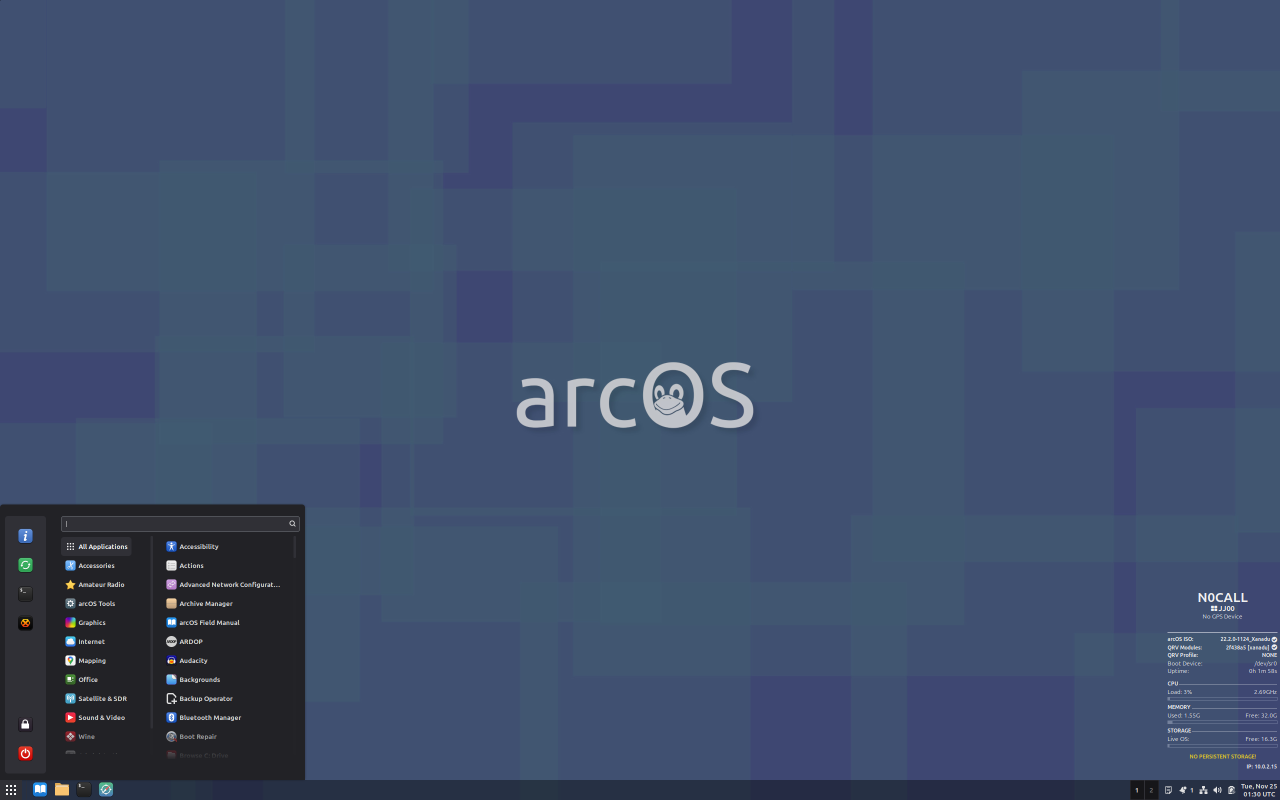
arcOS, which stands for "Amateur Radio Community Operating System", is a specialist Linux distribution based on Linux Mint. It focuses on standardised digital communication needs, commonly used for both casual and emerge…
arcOS, which stands for "Amateur Radio Community Operating System", is a specialist Linux distribution based on Linux Mint. It focuses on standardised digital communication needs, commonly used for both casual and emergency communications. It is a portable system that can be booted from any computer's USB device and used immediately with Digirig Mobile, a digital modes interface for radio communications.
Ark Linux is a discontinued Linux distribution based on Red Hat Linux. It was designed for desktop use and commonly used the KDE environment or interface. The project supported x86 systems and used RPM package management…
Ark Linux is a discontinued Linux distribution based on Red Hat Linux. It was designed for desktop use and commonly used the KDE environment or interface. The project supported x86 systems and used RPM package management.

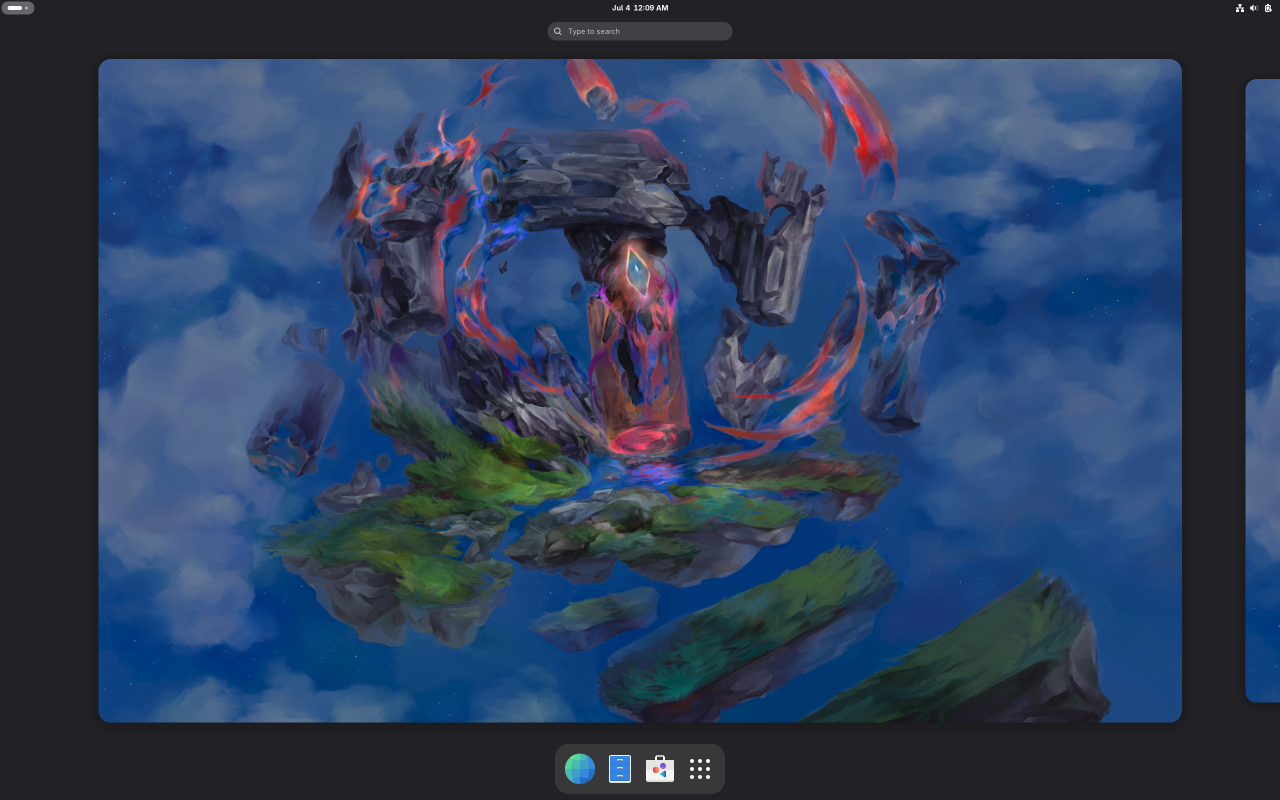
Arkane Linux is an immutable, atomic, Arch-based distribution which aims to provide a GNOME-centered experienced with minimal, yet full-featured and non-intrusive defaults. It provides a stock GNOME Shell bundled exclusi…
Arkane Linux is an immutable, atomic, Arch-based distribution which aims to provide a GNOME-centered experienced with minimal, yet full-featured and non-intrusive defaults. It provides a stock GNOME Shell bundled exclusively with core applications required to offer a minimal GNOME desktop experience. Arkane Linux serves primarily as a reference implementation, development environment, and as the developer's personal configuration tool to aid with work on the project's immutable system management toolkit called "Arkdep".

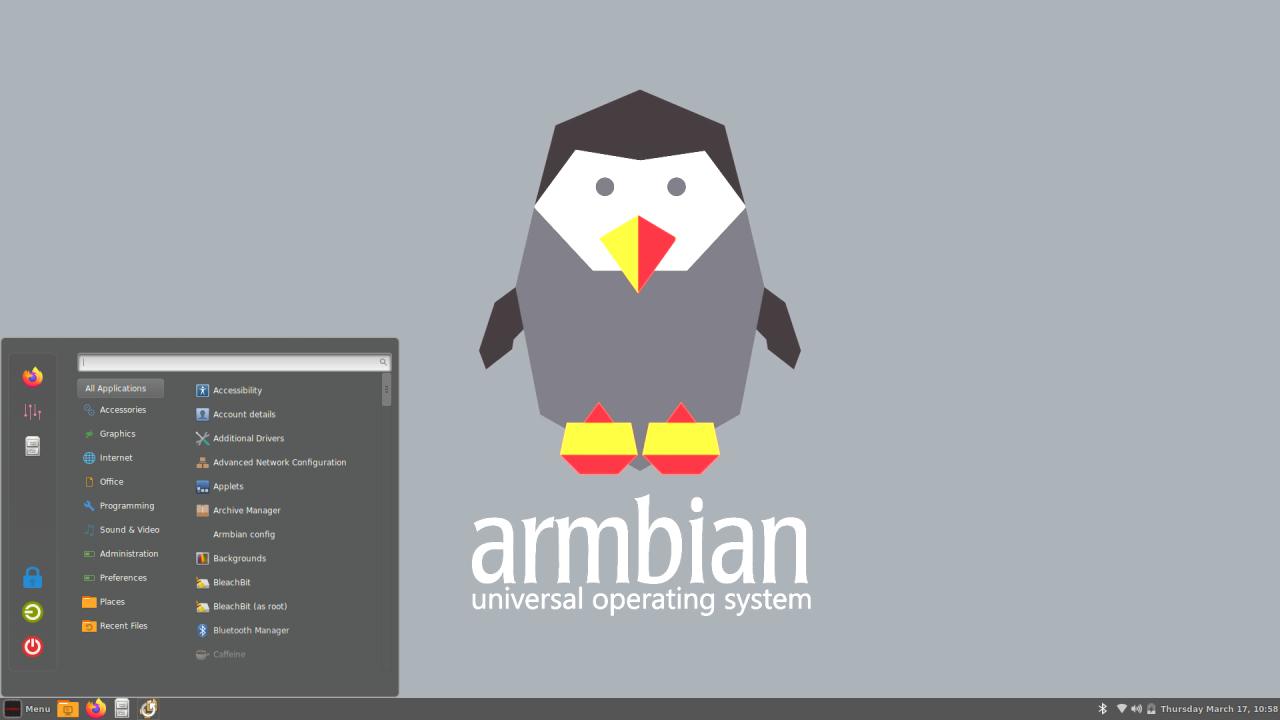
Armbian is a Linux distribution designed for ARM development boards. It is usually based on one of the stable or development versions of Debian or Ubuntu and it supports a wide variety of popular ARM-based devices, inclu…
Armbian is a Linux distribution designed for ARM development boards. It is usually based on one of the stable or development versions of Debian or Ubuntu and it supports a wide variety of popular ARM-based devices, including Banana Pi, Cubieboard, Olimex, Orange Pi, Odroid, Pine64 and others. Armbian includes a menu-driven configuration tool along with stock Debian utilities, the Bash shell, and a choice of Cinnamon or Xfce desktop.
ArtistX is a discontinued Linux distribution based on Ubuntu. It was designed for multimedia, live medium use and commonly used the KDE, GNOME environment or interface. The project supported x86 systems and used DEB pack…
ArtistX is a discontinued Linux distribution based on Ubuntu. It was designed for multimedia, live medium use and commonly used the KDE, GNOME environment or interface. The project supported x86 systems and used DEB package management.

Asahi Linux is an open-source project that ports Fedora to Apple computers that use Apple's silicon-powered (AArch64) processors, including installation scripts, drivers and documentation. As these Macs do not support bo…
Asahi Linux is an open-source project that ports Fedora to Apple computers that use Apple's silicon-powered (AArch64) processors, including installation scripts, drivers and documentation. As these Macs do not support booting from external storage devices, installation is carried out in a MacOS terminal via a Python script that creates a new hard disk partition and offers a choice of several installation scenarios, including two desktop options with KDE Plasma or GNOME. The project's goal is to polish Asahi Linux to the point where it can be used as a daily operating system on any modern Mac computer.
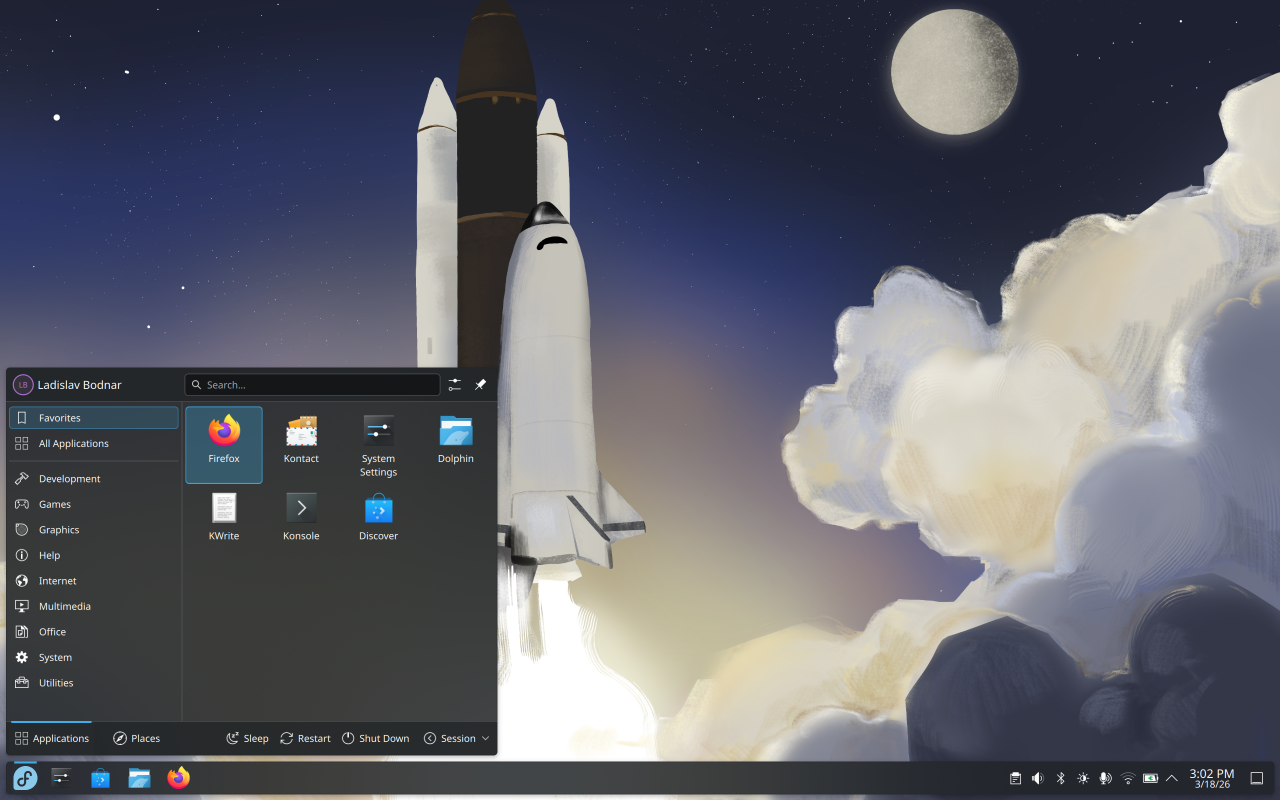
Asianux is a dormant Linux distribution based on Red Hat Enterprise Linux. It was designed for enterprise, server use and commonly used the GNOME environment or interface. The project supported x86_64 systems and used RP…
Asianux is a dormant Linux distribution based on Red Hat Enterprise Linux. It was designed for enterprise, server use and commonly used the GNOME environment or interface. The project supported x86_64 systems and used RPM package management.

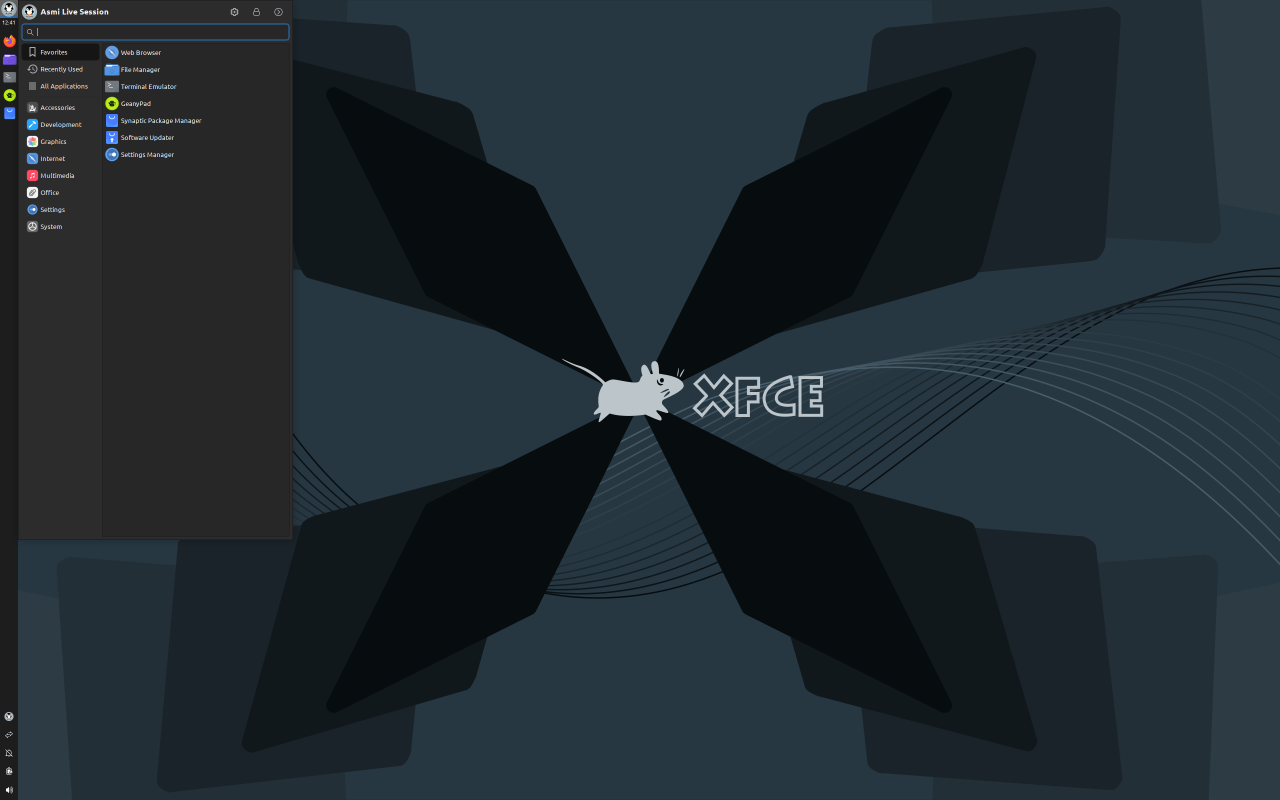
Asmi Linux is desktop-oriented Linux distribution with editions based on either Ubuntu or Debian. It uses a highly-customised Xfce desktop with some user-friendly touches. Some of its other features include the Calamares…
Asmi Linux is desktop-oriented Linux distribution with editions based on either Ubuntu or Debian. It uses a highly-customised Xfce desktop with some user-friendly touches. Some of its other features include the Calamares system installer, out-of-the-box support for several popular virtual machine managers, a load-to-RAM boot option, the latest Firefox browser, Cloudflare DNS for faster DNS lookup, and SSH multiplexing for faster SSH connections. The project also offers a commercial "Ultimate" edition with additional software and tools.

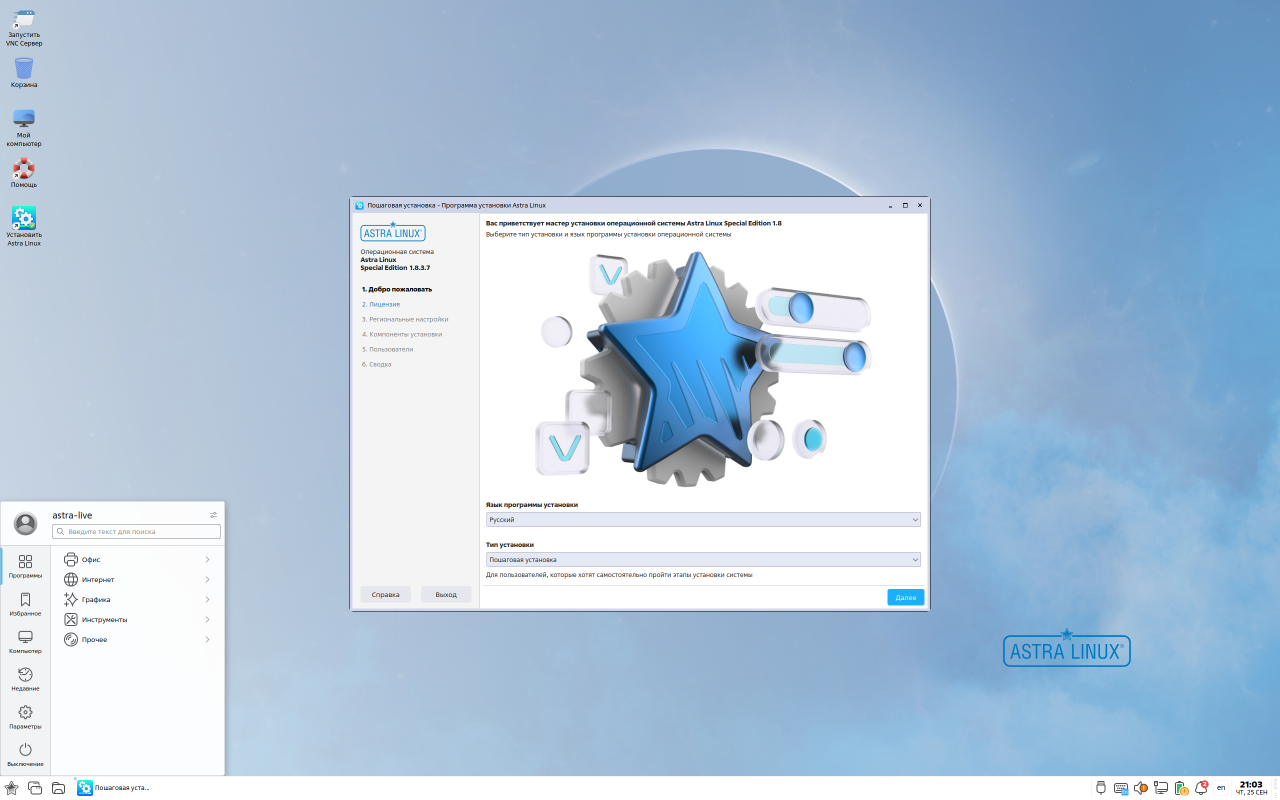
Astra Linux is a Russian commercial Linux distribution based on the "Stable" branch of Debian, developed by Russia's Astra Group. It was originally created to meet the needs of the Russian army and intelligence agencies,…
Astra Linux is a Russian commercial Linux distribution based on the "Stable" branch of Debian, developed by Russia's Astra Group. It was originally created to meet the needs of the Russian army and intelligence agencies, but was later widely adopted by the educational, healthcare and other state institutions, as well as many industrial companies, in order to reduce dependence on Microsoft Windows and other Western software products. Astra's flagship "Special" edition is a commercial product available for desktops, servers, mobile and embedded devices; it comes with support options and the highest level of security certification. The company also provides the unsupported, free-to-use "Common" edition which is based on an older version of Debian.
DistroWatch Ranking
#1
 Cachy OS
Cachy OS
#2
 Linux Mint
Linux Mint
#3
 MX Linux
MX Linux
#4
 Pop OS!
Pop OS!
#5
 Debian
Debian
#6
 Zorin OS
Zorin OS
#7
 Fedora
Fedora
#8
 Ubuntu
Ubuntu
#9
 EndeavourOS
EndeavourOS
#10
 Bazzite
Bazzite
About Rankings
Rankings are based on DistroWatch Page Hit Rankings — a measure of visitor interest, updated manually by our team. Higher interest = lower number.