


Agnula is a discontinued Linux distribution based on Debian, Red Hat. It was designed for multimedia, research use and commonly used the GNOME environment or interface. The project supported x86 systems and used DEB, RPM…
Agnula is a discontinued Linux distribution based on Debian, Red Hat. It was designed for multimedia, research use and commonly used the GNOME environment or interface. The project supported x86 systems and used DEB, RPM package management.


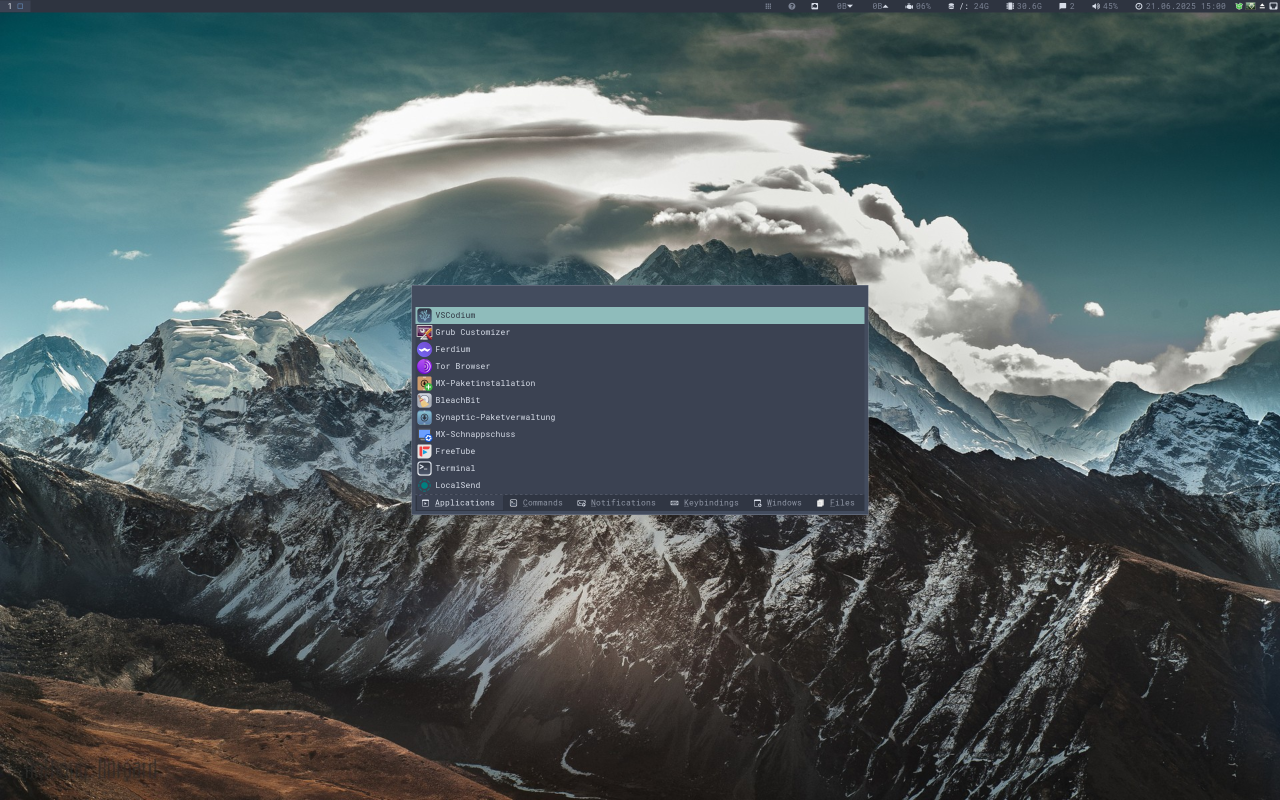
Alien-OS is a German Linux distribution based on Debian's latest "Stable" release, with components borrowed from MX Linux. It uses the Regolith Desktop Environment which combines i3 and Sway window managers into a single…
Alien-OS is a German Linux distribution based on Debian's latest "Stable" release, with components borrowed from MX Linux. It uses the Regolith Desktop Environment which combines i3 and Sway window managers into a single tiling, keyboard-driven user interface. The distribution's main features include a choice of systemd or SysV init systems, the integrated MX-Tools configuration utility, the Liquorix Linux kernel for enhanced performance in gaming and multimedia applications, over 20 pre-installed themes, and support for OEM installations.

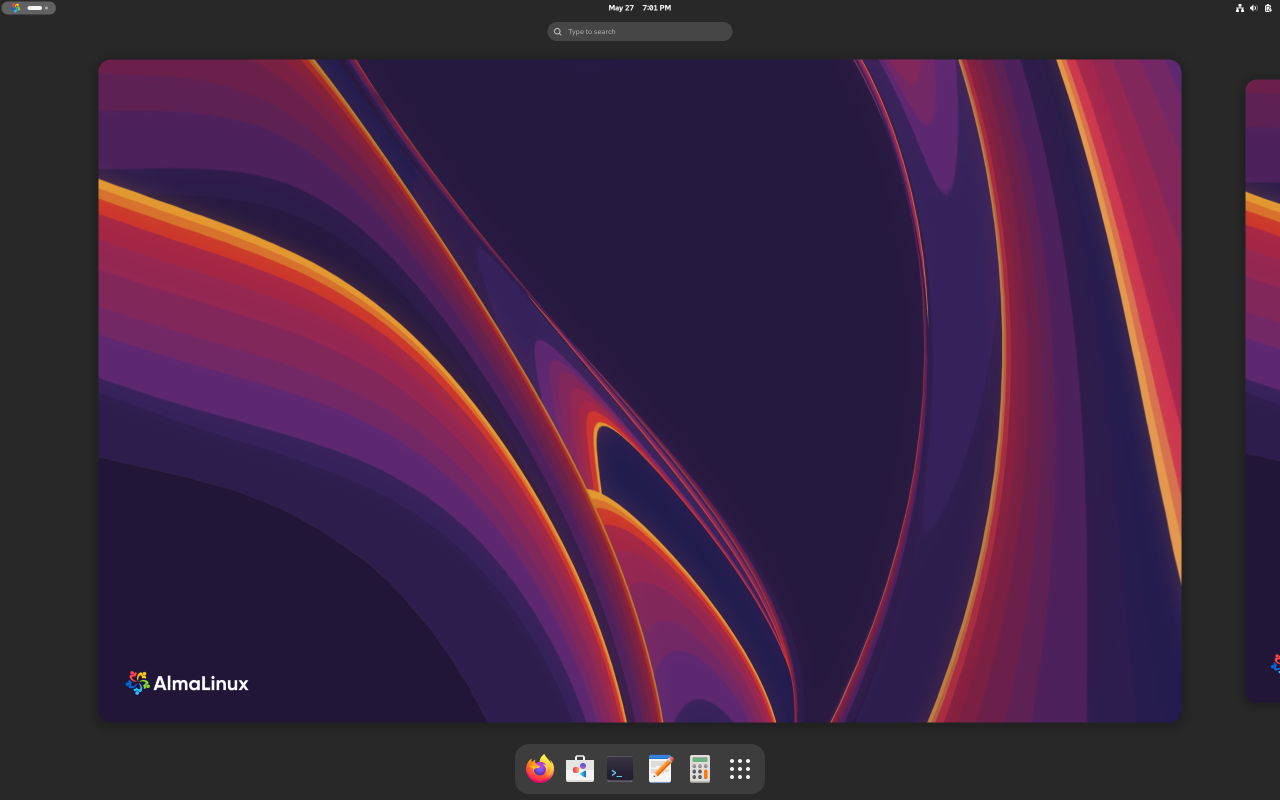
AlmaLinux OS is an open-source, community-driven project that is built from the source code of Red Hat Enterprise Linux (RHEL). AlmaLinux is a completely binary compatible fork of RHEL and it is maintained by AlmaLinux O…
AlmaLinux OS is an open-source, community-driven project that is built from the source code of Red Hat Enterprise Linux (RHEL). AlmaLinux is a completely binary compatible fork of RHEL and it is maintained by AlmaLinux OS Foundation which is a register non-profit.

Alpine Linux is a community developed operating system designed for routers, firewalls, VPNs, VoIP boxes, containers, and servers. It was designed with security in mind; it has proactive security features like PaX and SS…
Alpine Linux is a community developed operating system designed for routers, firewalls, VPNs, VoIP boxes, containers, and servers. It was designed with security in mind; it has proactive security features like PaX and SSP that prevent security holes in the software to be exploited. The C library used is musl and the base tools are all in BusyBox. Those are normally found in embedded systems and are smaller than the tools found in GNU/Linux systems.

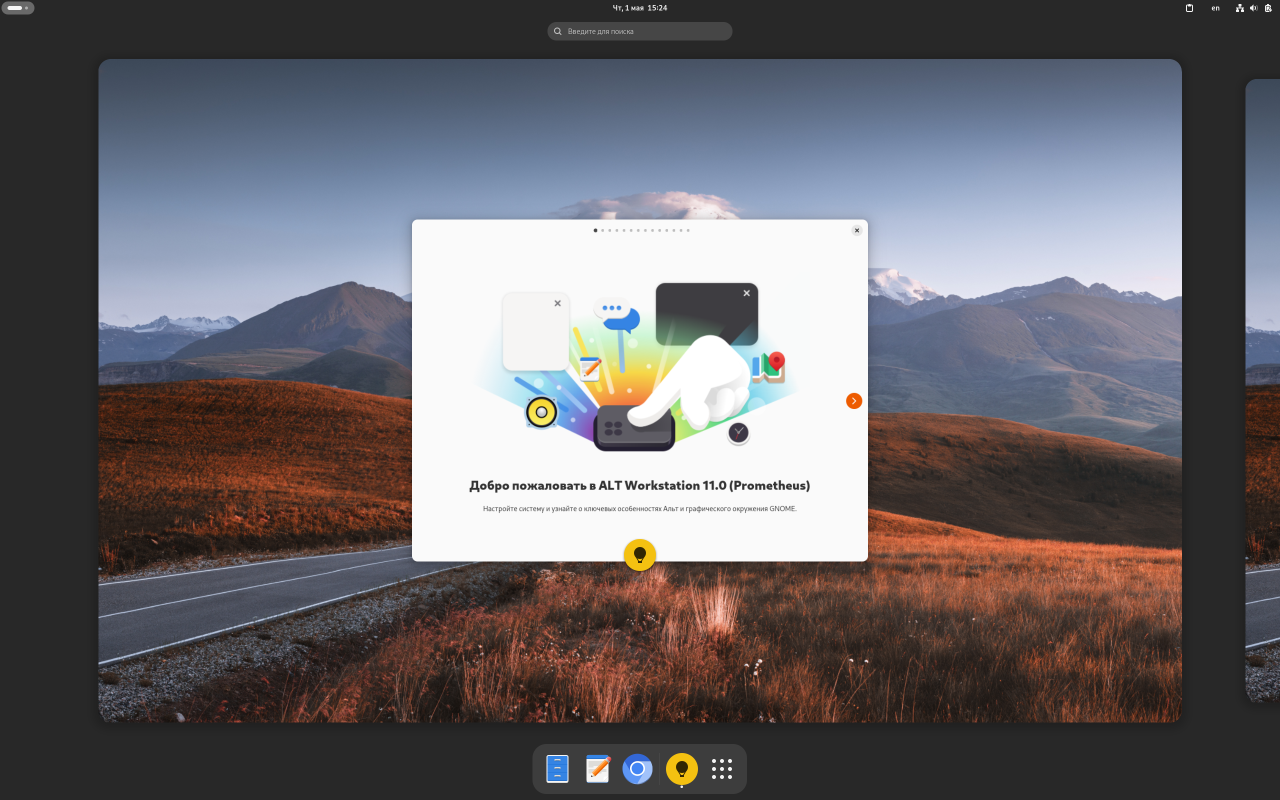
ALT Linux was founded in 2001 by a merge of two large Russian free software projects. By the year 2008 it became a large organization developing and deploying free software, writing documentation and technical literature…
ALT Linux was founded in 2001 by a merge of two large Russian free software projects. By the year 2008 it became a large organization developing and deploying free software, writing documentation and technical literature, supporting users, and developing custom products. ALT Linux produces different types of distributions for various purposes. There are desktop distributions for home and office computers and for corporate servers, universal distributions that include a wide variety of development tools and documentation, certified products, distributions specialized for educational institutions, and distributions for low-powered computers. ALT Linux has its own development infrastructure and repository called Sisyphus, which provides the base for all the different editions of ALT Linux.
ALT Linux Junior is a discontinued Linux distribution based on Mandrake. It was designed for desktop, education use and commonly used the KDE environment or interface. The project supported x86 systems and used RPM packa…
ALT Linux Junior is a discontinued Linux distribution based on Mandrake. It was designed for desktop, education use and commonly used the KDE environment or interface. The project supported x86 systems and used RPM package management.

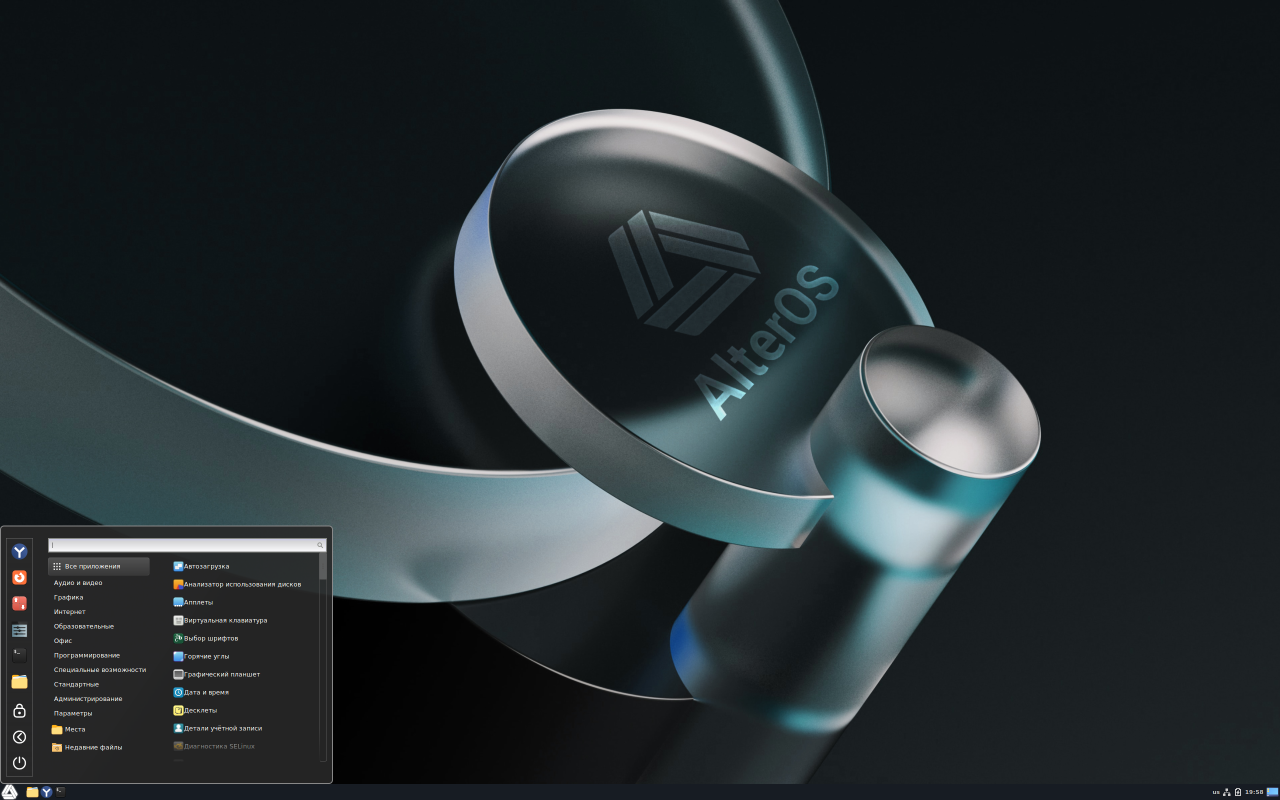
AlterOS is a Russian, general-purpose Linux distribution based on Red Hat Enterprise Linux. It is developed by ALMI PARTNER, a Russian software development company, and available for personal and professional workstation…
AlterOS is a Russian, general-purpose Linux distribution based on Red Hat Enterprise Linux. It is developed by ALMI PARTNER, a Russian software development company, and available for personal and professional workstations and servers. Some of the features of AlterOS include optimisation of the Linux kernel and the core libraries for modern hardware, the Cinnamon desktop environment, and pre-installed certificates from the Russian Ministry of Digital Development to ensure integration with government systems and compliance with cybersecurity requirements.
Annvix is a discontinued Linux distribution based on Mandriva. It was designed for security, server use and commonly used the No Desktop environment or interface. The project supported x86 systems and used RPM package ma…
Annvix is a discontinued Linux distribution based on Mandriva. It was designed for security, server use and commonly used the No Desktop environment or interface. The project supported x86 systems and used RPM package management.
Anonym.OS is a discontinued Linux distribution based on OpenBSD. It was designed for privacy, live medium use and commonly used the Fluxbox environment or interface. The project supported x86 systems and used PKG package…
Anonym.OS is a discontinued Linux distribution based on OpenBSD. It was designed for privacy, live medium use and commonly used the Fluxbox environment or interface. The project supported x86 systems and used PKG package management.
Antergos is a discontinued Linux distribution based on Arch Linux. It was designed for desktop use and commonly used the GNOME, KDE environment or interface. The project supported x86_64 systems and used Pacman package m…
Antergos is a discontinued Linux distribution based on Arch Linux. It was designed for desktop use and commonly used the GNOME, KDE environment or interface. The project supported x86_64 systems and used Pacman package management.
DistroWatch Ranking
#1
 Cachy OS
Cachy OS
#2
 Linux Mint
Linux Mint
#3
 MX Linux
MX Linux
#4
 Pop OS!
Pop OS!
#5
 Debian
Debian
#6
 Zorin OS
Zorin OS
#7
 Fedora
Fedora
#8
 Ubuntu
Ubuntu
#9
 EndeavourOS
EndeavourOS
#10
 Bazzite
Bazzite
About Rankings
Rankings are based on DistroWatch Page Hit Rankings — a measure of visitor interest, updated manually by our team. Higher interest = lower number.